Chancery Lane estate rubbish removal tips for shared flats
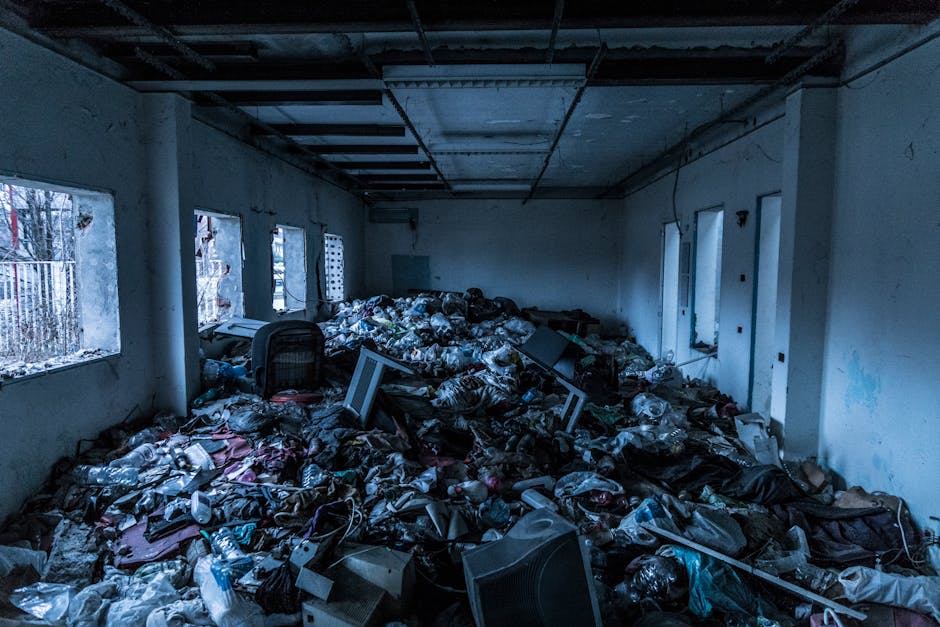
If you live in a shared flat near Chancery Lane, rubbish can become one of those small problems that turns into a big one very quickly. One overflowing bin in the hallway, one bag left by the front door, and suddenly the whole place feels untidy, tense, and a bit unpleasant. These Chancery Lane estate rubbish removal tips for shared flats are here to make that easier. Whether you are dealing with weekly household waste, bulky items, or a pile-up after a tenant move, the goal is simple: keep the flat clear, avoid disputes, and handle waste in a sensible, London-friendly way.
In practice, shared-flats rubbish removal is part organisation, part communication, and part knowing when to bring in help. Get it right and the whole place runs smoother. Get it wrong and, well, you spend a Saturday morning arguing about a broken chair nobody admits to owning.
This guide breaks down how rubbish removal works in shared accommodation, what to watch out for, and the best ways to keep things under control without making life harder for everyone else.
- Why it matters
- How it works
- Key benefits
- Who needs this
- Step-by-step guidance
- Expert tips
- Common mistakes
- Tools and resources
- Law and best practice
- Options and comparison
- Real-world example
- Checklist
- Conclusion
- Frequently asked questions
Why Chancery Lane estate rubbish removal tips for shared flats Matters
Shared flats create a very specific rubbish problem. Everyone produces waste, but not everyone produces it at the same time, in the same way, or with the same sense of urgency. In a busy central London area like Chancery Lane, that can mean narrow stairwells, limited storage, shared bins, and not much room for a "we'll deal with it later" approach.
It matters because rubbish left unmanaged affects more than appearance. It can attract pests, create odours, block access routes, and make neighbours or managing agents lose patience. It also creates a lot of avoidable friction. People get defensive. Someone says they "only put it there for a minute." Another person quietly becomes the bin police. Nobody enjoys that dynamic.
There is also a practical side. In shared flats, removal needs to be fair and predictable. If one person is always carrying the load, resentment builds. If no one knows what happens to bulky items, they simply sit there. A clear system saves time, keeps communal spaces usable, and helps everyone feel the place is under control.
Truth be told, most rubbish issues in shared flats are not really about rubbish. They are about unclear expectations. Once that is fixed, everything becomes easier.
How Chancery Lane estate rubbish removal tips for shared flats Works
For shared flats, rubbish removal usually follows one of a few patterns. The building may have communal bins, scheduled collections, or a porter/management arrangement. In some cases, residents must separate waste carefully because storage space is tight and collections happen on specific days. Larger items, such as mattresses, broken furniture, old desks, and appliance-sized clutter, often need a separate collection rather than the normal bin system.
The process usually works best in three stages:
- Sort the waste into ordinary rubbish, recycling, food waste, and bulky items.
- Decide who is responsible for each bag, box, or item. Shared ownership sounds simple until it is a kettle nobody wants to claim.
- Arrange disposal using the flat's bin system, local collection methods, or a professional clearance service for items that cannot go out with household waste.
In some flats, the answer is as basic as better bin discipline. In others, especially where several flatmates are moving in and out, a more structured clearance is needed. That is when a service such as flat clearance can be useful for removing mixed household items in one visit. If the issue is not just rubbish but a broader clear-out, home clearance may be the better fit, especially when a flat has accumulated furniture, bags, and miscellaneous clutter over time.
The main thing is not to let the process become reactive. Once bins overflow, hallways get messy, and everyone is busy, the job gets harder. A little structure goes a long way.
Key Benefits and Practical Advantages
Good rubbish removal habits in shared flats do more than keep the place looking tidy. They make day-to-day living calmer and easier, which is no small thing when you are all sharing a compact London property.
- Less conflict because expectations are clear.
- Cleaner communal areas with fewer smells, spillages, and stray bags.
- Better use of space in hallways, kitchens, cupboards, and bin stores.
- Faster move-outs when someone leaves and the room needs clearing.
- Lower risk of pest issues from food waste or damp cardboard.
- More efficient handling of bulky waste like furniture, mattresses, and broken household items.
There is also a less obvious benefit: the flat feels more settled. People notice it immediately when bins are tidy and walkways are clear. It changes the mood. You breathe a bit easier walking into the kitchen first thing in the morning, which is honestly underrated.
Who This Is For and When It Makes Sense
This advice is for anyone dealing with shared living and shared waste responsibilities in or around Chancery Lane. That includes flatmates, tenants, landlords, property managers, and people helping with a move-out or end-of-tenancy clear-up.
It makes sense when:
- the flat has no dedicated waste storage area
- the bins are being filled faster than collections happen
- one or more flatmates are leaving and need to dispose of furniture or boxes
- communal hallways are being cluttered with black bags or cardboard
- you need to clear a room before a new tenant moves in
- the property management team expects residents to keep shared areas tidy
If you are dealing with a single sofa or a few boxes, the normal collection route may be enough. If you are facing a full flat reset, a more complete service such as house clearance can help when the job stretches beyond one room and into a larger property-wide clear-out. For mixed waste and heavier non-household items, waste removal may be the more practical option.
Sometimes the need arrives suddenly. Someone leaves on Friday, the room is still full on Saturday morning, and the landlord wants it sorted by Monday. That is not exactly rare in London, is it?
Step-by-Step Guidance
Here is a practical way to handle rubbish removal in a shared flat without turning it into a full-scale group project from hell.
1. Start with a quick audit
Walk through the flat and identify what actually needs removing. Separate general rubbish, recycling, food waste, cardboard, old furniture, broken appliances, and anything hazardous. A short audit saves a lot of back-and-forth later.
2. Decide what can be bagged and what cannot
Not everything should go in a standard bin bag. Wet waste, broken glass, and bulky items all need different handling. Cardboard should ideally be flattened. Old furniture needs checking before anyone tries to drag it down the stairs in a rush and chip the wall, which somehow always happens.
3. Assign responsibility clearly
In a shared flat, the easiest system is the one everyone understands. One person may take recycling out, another may deal with kitchen waste, and another may organise removal of their own belongings. If there is a shared item, agree on a split before anyone starts moving things.
4. Put a collection time in writing
A simple group message can save a lot of confusion. Say what is going out, when it is going out, and where it is being stored until then. That matters especially in buildings with limited corridor space or shared entry points.
5. Keep communal areas clear
Never leave bags by the front door longer than necessary. Besides looking untidy, they can block access and create a smell you notice the second you open the door. Use a designated holding area if the flat has one, and keep it temporary.
6. Use the right disposal route for bulky waste
For larger items, think beyond the weekly bin cycle. Items like wardrobes, beds, chairs, and mattresses often need dedicated collection. If you are clearing several items at once, a professional service can reduce the number of trips and help avoid damage to shared spaces. A service such as furniture clearance is often more sensible than trying to piece together several disposal methods.
7. Do a final sweep
Once the waste is out, check corners, under sinks, beside the washing machine, and behind doors. Shared flats hide rubbish in odd places. One half-empty bin bag in a cupboard can sit there for a week and nobody notices. Then suddenly everyone does.
Expert Tips for Better Results
Small habits make a surprisingly big difference in shared accommodation. The goal is not perfection. It is consistency.
- Use one visible bin system so everyone knows where general waste and recycling should go.
- Flatten cardboard immediately instead of letting it stack up near the kitchen door.
- Label the "remove" pile during flat moves so no one accidentally keeps or throws away the wrong thing.
- Schedule clear-outs before weekends if collections or removals are easier midweek in your building.
- Take photos of bulky items before arranging removal so everyone agrees on what is included.
- Avoid overfilling bags because split rubbish is miserable to carry and even worse to clean up.
One useful trick in a busy flat is to create a "staging corner" for a short period. Not a dumping zone, just a clearly temporary space for boxes or bagged waste that is already scheduled for removal. It works best when the whole flat knows the rule and no one leaves things there indefinitely. You know how that goes.
If the issue is recurring rather than one-off, a recurring service arrangement may be worth considering. For businesses or live-work properties near the area, business waste removal is useful where waste patterns are predictable and regular rather than occasional.
Common Mistakes to Avoid
Most rubbish headaches in shared flats come from avoidable habits. The same mistakes show up again and again.
- Leaving everything for one person to sort out.
- Putting bulky items in the hallway and hoping someone else deals with them.
- Ignoring building rules about bin stores, access times, or collection points.
- Mixing recyclable material with general waste because it is quicker in the moment.
- Waiting too long to book help when there is a move-out deadline.
- Forgetting about weight and lifting safety when carrying heavy furniture downstairs.
Another common one: assuming the issue is too small to matter. Then the pile grows, the smell gets worse, and the stairwell starts feeling like a storage unit. Not ideal.
Also, be careful with "temporary" piles. Temporary has a funny way of becoming permanent if nobody owns the task.
Tools, Resources and Recommendations
You do not need fancy equipment to keep a shared flat under control, but a few simple tools make the process easier and cleaner.
| Tool or resource | What it helps with | Best use in a shared flat |
|---|---|---|
| Heavy-duty bin bags | Containment and transport | For general waste and small clear-outs |
| Label tape or markers | Identifying ownership | For move-outs, shared items, and recycling sorts |
| Gloves | Protection and hygiene | For handling old bags, cardboard, or dusty items |
| Flat trolleys or sack barrows | Safer transport of heavier loads | For bulky waste that needs moving through the building |
| Professional clearance service | Fast, coordinated removal | For furniture, multiple rooms, or end-of-tenancy jobs |
For bigger or mixed clear-outs, it can be worth looking at services that handle furniture, flat contents, and general waste in one go. Depending on what you need to remove, furniture disposal can be helpful for items that are too awkward or too large for standard collections, while loft clearance becomes relevant when shared storage areas or awkward upper spaces have become a dumping ground for forgotten things.
If sustainability matters to your household, it is also sensible to choose a provider with an obvious recycling approach. A little sorting at the start can stop reusable items from being treated as mixed waste. That is better for the environment and usually easier on the conscience too.
Law, Compliance, Standards, or Best Practice
For shared flats in London, rubbish handling is not just about convenience. There are practical duties around keeping communal areas safe, preventing nuisance, and disposing of waste properly. Exact responsibilities can vary depending on the building, tenancy agreement, lease terms, and local collection arrangements, so it is always wise to check what applies to your property.
At a best-practice level, a few things matter most:
- Do not block fire exits, corridors, or shared access routes with waste bags or furniture.
- Keep waste contained so it does not leak, smell, or attract pests.
- Separate recyclable items where practical rather than mixing everything together.
- Dispose of bulky items responsibly instead of leaving them beside communal bins.
- Use insured, appropriate removal services when items are heavy, awkward, or likely to damage the building.
For any service provider you choose, it is sensible to ask about safety procedures, waste handling, and insurance. The pages on health and safety and insurance and safety can be useful reading if you want to understand the standards a professional company should be working to.
Best practice also means being realistic. If a shared flat has accumulated clutter over months, a tidy weekend plan may not be enough. Sometimes the better choice is a staged clearance with a clear start point and finish line.
Options, Methods, or Comparison Table
There is more than one way to handle rubbish in a shared flat. The best method depends on volume, timing, access, and whether the waste is ordinary household rubbish or bulky material.
| Method | Best for | Pros | Watch-outs |
|---|---|---|---|
| Normal bin collection | Routine household waste | Simple, familiar, low effort | Not suitable for large items or excess waste |
| Flatmate-led clear-out | Small, shared tidy-ups | Cheap and flexible | Needs coordination; easy to stall |
| Dedicated bulky waste removal | Furniture, appliances, large bags | Fast and practical | May need careful planning for access and timing |
| Full clearance service | Moves, refurbishments, major clutter | Efficient and thorough | Not always necessary for small jobs |
If the shared flat has just a few surplus items, a simple coordination approach may be enough. If there are several heavy items, or if you need to clear a whole room quickly, a specialist service such as office clearance can also be useful in mixed-use properties where the line between domestic and workspace clutter gets blurred. That happens more often than people think in central London.
For pricing and planning, it helps to request a clear quote and explain the access details honestly. Narrow stairs, limited parking, and lift restrictions can all affect the job. A transparent estimate is usually far better than a vague guess.
Case Study or Real-World Example
A typical shared-flat scenario near Chancery Lane goes something like this. Three flatmates share a two-bedroom property. One is moving out, another has bought new furniture, and the kitchen has gradually filled with cardboard, old kitchenware, and a broken chair nobody wants to discuss. By Thursday evening, the hallway starts to feel tight and the mood in the flat is a bit flat too.
The group first lists everything that needs removing and separates it into: general rubbish, recycling, reusable items, and bulky waste. Two people handle the bin bags, one handles the cardboard flattening, and the moving-out tenant sorts personal belongings. The broken chair and old shelving need separate removal because the normal bins are not suitable. Rather than making three trips and risking damage to the stairwell, the flat arranges one clearance slot for the bigger items.
What changes the outcome is not just the disposal method. It is the coordination. Once the waste is categorised and each person knows their bit, the whole job becomes manageable. By the next day, the kitchen is clear, the hallway is usable again, and everyone can get on with their weekend without stepping over random packaging.
That is the real win. Not dramatic. Just peaceful.
Practical Checklist
Use this checklist before, during, and after rubbish removal in a shared flat.
- Check what waste needs removing and what can stay.
- Separate general rubbish, recycling, and bulky items.
- Agree who owns which items.
- Confirm bin collection times or access rules.
- Flatten cardboard and secure loose material.
- Keep hallways and exits free from clutter.
- Arrange help for heavy or awkward items.
- Use gloves or other basic safety gear if needed.
- Take care not to damage walls, bannisters, or floors.
- Do a final sweep of kitchens, cupboards, and corners.
Practical summary: the best rubbish removal plan for shared flats is the one that is agreed early, keeps communal spaces clear, and matches the type of waste you actually have. Simple for bags. More structured for furniture. And if the job is bigger than the flat wants to handle on its own, bring in support before the mess snowballs.
Conclusion
Shared-flat rubbish removal in Chancery Lane is rarely about one dramatic clean-up. It is usually about small decisions made consistently: what goes where, who handles it, and when it leaves the flat. Once those things are clear, the whole place becomes easier to live in. Less stress. Less smell. Less awkwardness in the hallway.
If your flat is already feeling cluttered, do not wait for the pile to become a problem everyone notices at once. Start with a sort, agree a plan, and choose the simplest disposal route that fits the waste you have. A little organisation now saves a lot of irritation later, and frankly, that is worth doing on any busy London street.
Get a free quote today and see how much you can save.
And if you manage to keep the communal bin area tidy for more than a week, that is a small victory worth quietly enjoying.
Frequently Asked Questions
What is the best way to handle rubbish in a shared flat near Chancery Lane?
The best approach is to separate waste early, assign responsibility clearly, and keep communal areas clear. For everyday rubbish, normal bins may be enough. For bulky items, a dedicated removal service is often more practical.
How do you stop rubbish arguments between flatmates?
Be specific. Agree who takes out which waste, where items are stored temporarily, and when removal happens. Vague plans tend to create friction. Clear messages usually prevent it.
Can I leave bulky items in the hallway before collection?
Only if the building rules allow it and the items are there for a very short time. Hallways should stay clear for safety and access. If in doubt, use a designated storage spot or arrange faster collection.
What items usually need a separate clearance service?
Furniture, mattresses, broken shelving, large boxes, and mixed flat contents often need separate removal. If the items are too large, too heavy, or too numerous for the normal bin system, professional help makes life easier.
Is flat clearance different from normal rubbish removal?
Yes. Flat clearance usually covers more than day-to-day waste. It is better suited to move-outs, major clear-outs, or when a whole property needs to be emptied in one go.
How can I make recycling easier in a shared property?
Use clear labels, flatten cardboard, and keep recycling containers easy to reach. If everyone knows what goes where, recycling becomes part of the routine instead of a debate every Tuesday night.
What should I check before booking a removal service?
Check access, stair width, parking, item type, and timing. It also helps to ask about insurance, safety procedures, and whether the company can remove mixed waste in one visit.
Do I need permission to remove waste from a shared building?
Sometimes you need to follow building rules, especially if there are managed bin stores, lift restrictions, or set collection times. Lease terms and landlord instructions can also matter, so it is wise to check first.
How do I know when a clear-out is bigger than a DIY job?
If the waste includes heavy furniture, multiple rooms, tight deadlines, or difficult access, the job may be better handled by professionals. When you are already juggling work, moving plans, and flatmates, doing it all yourself can be a bit much.
What is the safest way to move heavy rubbish in a shared stairwell?
Use proper lifting technique, wear gloves, avoid overloading bags, and move items one at a time. If the item is awkward or likely to damage walls and bannisters, professional removal is usually safer.
How often should rubbish be checked in a shared flat?
At least weekly is sensible, and more often if the flat has several occupants or a small bin store. A quick check takes minutes and can prevent overflow, smells, and unwanted mess.
What if one flatmate keeps leaving bags behind?
Try a direct, calm conversation first. If that does not work, create a simple rota or written agreement. Shared living works much better when expectations are visible rather than assumed.